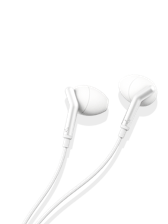



Podcasts were once tethered strictly to desktop screens and bulky MP3 players. Today, an episode tracks right along with you on a morning jog, during a grocery run, or through a hectic commute. Smartphones and wireless earbuds made digital audio truly mobile, but we are already bumping up against the next shift: removing the friction of a traditional listening setup altogether.
That change is arriving through wearable tech.
Smartwatches, open-ear earbuds, lightweight clip-ons, and smart eyewear are reframing our relationship with digital media. Instead of forcing you to pull out a screen or stuff silicon tips deep into your ear canals, these devices let sound layer naturally into your physical environment.
For podcasters and listeners alike, audio is moving away from being a deliberate activity you sit down for, turning instead into an ambient backdrop to your day.
What Is Ambient Audio?
Ambient audio is all about integration rather than isolation.
Standard noise-canceling headphones build a private cone of silence, which is ideal when you want to block out a noisy office or airplane engine. Ambient listening flips that goal on its head: it lets digital content sit right alongside the noises of the real world.
That distinction matters because podcasting has always been a companion medium.
People rarely stare at a wall while listening to an episode. They wash dishes, walk dogs, draft emails, or drive. In these moments, audio isn’t competing for primary focus—it’s an extra layer wrapped around an existing routine. Wearable hardware makes maintaining that balance significantly easier.
Smart Eyewear Adds a New Dimension
Smart eyewear is easily one of the most compelling hardware shifts here, mostly because it enhances something millions of people already put on every single morning: prescription glasses or sunglasses.
Instead of carrying extra gear or feeling disconnected from your environment, modern frames package micro-speakers, microphones, and voice controls right into the temple arms. Utilizing glasses with speaker tech allows listeners to stream a deep-dive interview or catch a quick news recap while staying fully present to nearby traffic, family members, or transit announcements.
It doesn’t replace high-fidelity over-ear headphones for serious audiophiles. Rather, it expands the precise context in which audio consumption makes sense. You can digest a 20-minute tech update while strolling through a crowded city street without feeling isolated from your surroundings.
Podcast Listening Is Becoming More Flexible
Media consumption as a whole has drifted toward total flexibility. Video platforms pushed short-form clips, news services trimmed down briefings, and music streaming apps curated hyper-specific playlists for every micro-mood.
Podcasts fit this hands-free era surprisingly well because they don’t demand eyes.
Wearable controls reduce the physical steps needed to engage with a show. Voice commands and subtle touch gestures mean you don’t have to dig a phone out of a pocket just to skip an ad or pause for a cashier.
This directly benefits long-form content. An hour-and-a-half interview feels far less daunting when you can passively digest it in fifteen-minute chunks spread across a dog walk, a coffee run, and dinner prep.
Context Could Become More Important
The next major leap in podcast discovery will likely be context-aware recommendations.
Right now, podcast apps recommend shows based on static metrics: what you’ve listened to before, your manual subscriptions, or what’s trending on the charts. Wearables open up real-time context.
- On a morning run: Your device might queue up crisp, high-energy news roundups or short-form industry recaps.
- During a daily commute: It might pivot to mid-length serialized reporting or narrative non-fiction.
- On an evening walk: It could suggest long-form conversational interviews or immersive storytelling.
When recommendations match physical context, discovery requires far less effort. Of course, this puts a spotlight on privacy. Wearables gather intimate data on movement, location, and daily patterns, making the threat of data breaches far more concerning for users. If sensitive biometric or routine details fall into the wrong hands, the consequences extend well beyond compromised passwords. Platforms will need to implement robust security standards and handle user data with total transparency to retain trust.
What This Means for Podcast Creators
As listening environments shift, content production will naturally evolve to keep up.
Podcasters have always cared about audio engineering, pacing, and story structure, but ambient listening introduces fresh variables. When listeners aren’t sitting in a silent room with studio headphones, clear sound design becomes non-negotiable.
- Vocal Mix: Vocal tracks need to sit clearly in the mix to cut through ambient background noise like wind or passing cars.
- Immediate Hooks: Intros must land fast before a listener gets distracted by their environment.
- Navigational Features: Chapter markers and clear segment breaks help listeners dip in and out across multiple brief sessions.
We may also see creators design micro-formats built specifically for wearable consumption—quick five-minute daily updates designed to complement longer weekly deep dives.
Staying Connected to the Environment
There is a major safety and social component to ambient listening that often gets overlooked.
Complete noise cancellation isn’t always safe or desirable. When navigating busy intersections, jogging at night, or working in shared spaces, tuning out the world completely can be risky.
Open-ear wearable audio solves that compromise. It lets people enjoy their favorite shows while staying tuned into conversations, emergency sirens, and ambient surroundings. It removes the frustrating trade-off between staying entertained and staying safe.
The Future of Podcasts May Be Less Visible
The most interesting thing about ambient audio is how invisible the technology becomes.
You stop opening apps, untangling cords, or tapping phone screens. Audio simply flows into your existing routines. Instead of asking “When do I have time for a podcast?”, people simply let audio accompany the activities they are already doing.
A daily walk becomes an opportunity for a history lesson. Cooking dinner becomes a masterclass interview. The hardware gets out of the way, leaving only the story and the listener. Wearables won’t change what makes podcasting great—strong hosts, sharp insights, and rich storytelling still win—but they will fundamentally shorten the distance between the speaker and your ears.